The 'What If' Ladder: Turning a Single Question Into a Story
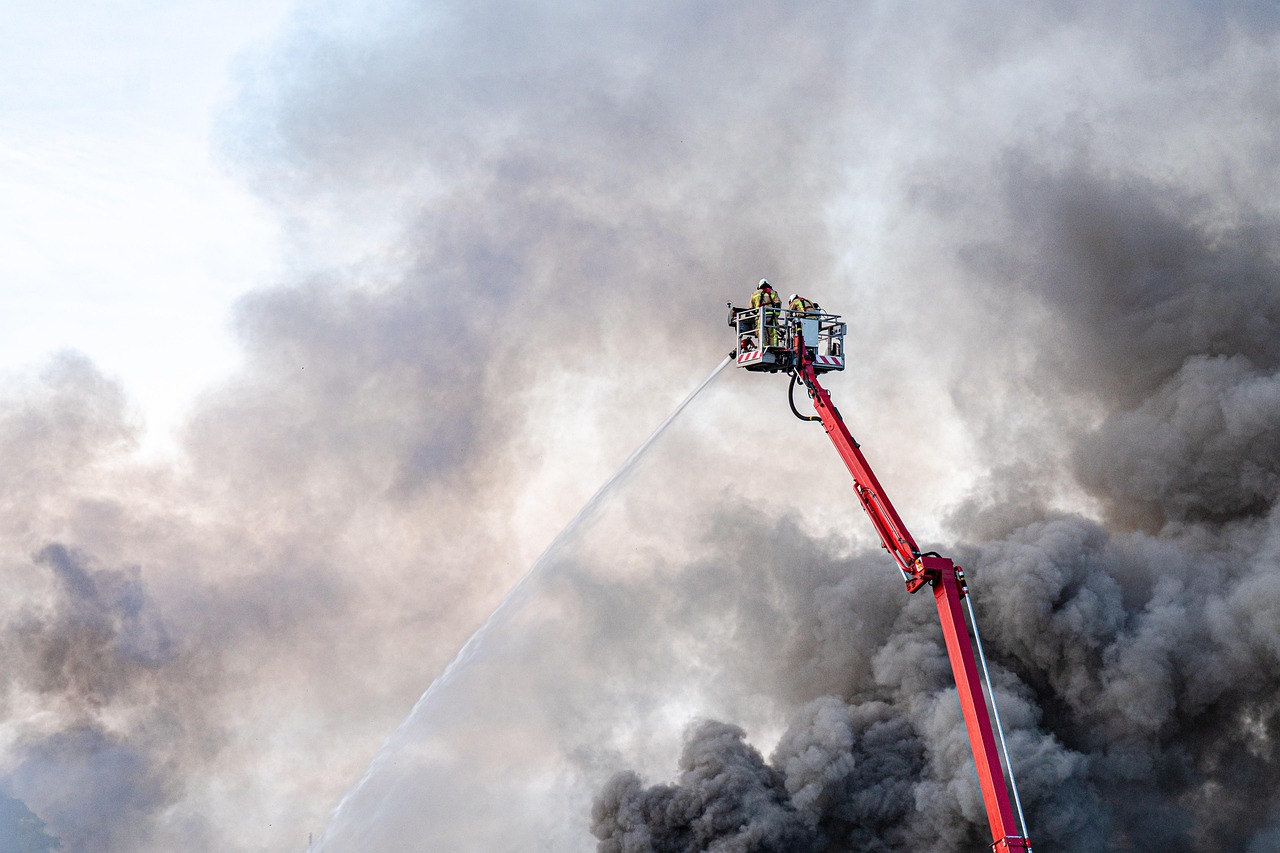
Every story begins somewhere, and for most writers it begins with a question. Not the kind of question you answer on a test, but the kind that nags at you: What if a woman found a letter addressed to her from thirty years in the future? That single question is a seed. The problem is that many aspiring writers plant that seed and then stare at it, waiting for a tree to appear. The 'What If' Ladder is a technique that forces the tree to grow, one rung at a time.
Here's how it works. You start with your initial question, the one that sparked your curiosity. Then you ask another 'what if' about the consequences of the first. Then another about the consequences of that one. Each rung raises the stakes, complicates the situation, or deepens the character's dilemma. You keep climbing until you have something that feels less like a premise and more like a plot.
Climbing the Rungs
Let's try it with an example. Rung one: What if a man woke up with no memory of the past year? That's interesting, but it's also a familiar hook. So we climb. Rung two: What if the missing year contained the happiest moments of his life, and everyone around him refuses to talk about it? Now we have mystery and tension. Rung three: What if he discovers he asked them to keep it secret, and the reason is something he's not sure he wants to remember? Suddenly we have internal conflict, moral weight, and a character who is actively working against himself.
Notice that none of these rungs required a genius idea. They required curiosity and a willingness to push past the first answer. The first answer is almost always the most obvious one. The second answer is better. The third answer is where things get interesting.
When to Stop Climbing
You can climb too high. If your premise becomes so convoluted that you can't summarize it in a sentence, you've probably gone too far. A good rule of thumb is to stop when you feel a tug of genuine excitement, the sense that you would want to read this story yourself. That usually happens around rung three or four.
The ladder also works for character development. Start with what if my protagonist is afraid of commitment? Then ask what if that fear cost her the one relationship she actually wanted? Then ask what if the person she lost is now back in her life, asking for something she can't give? Each rung adds specificity and emotional texture.
Keep a notebook or a document open and just let the rungs stack up. Don't edit as you go. The ladder is a tool for generating material, not for polishing it. You can always cut rungs later if they lead somewhere you don't want to go. But more often than not, the rung you almost didn't write is the one that makes the story sing.
Next time you have a flicker of an idea, don't try to write the whole thing at once. Just ask one more question. Then another. The ladder will hold your weight, one rung at a time.