The One-Sentence Story: A Tiny Exercise That Unlocks Big Ideas
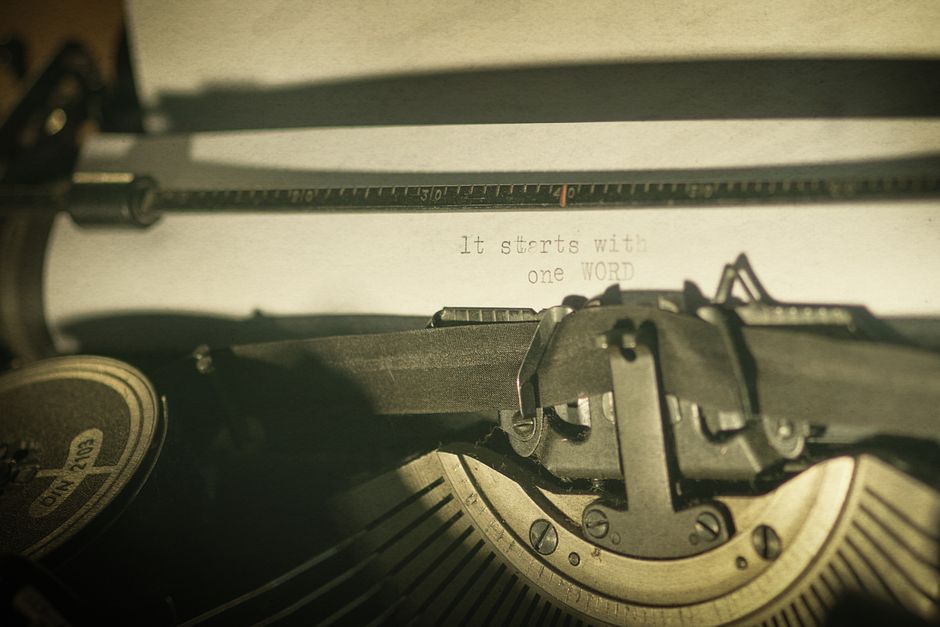
Every writer knows the feeling: a blank page, a blinking cursor, and a head full of fog. You want to write something, but the ideas feel too big, too vague, or too fragile to commit to paper. The one-sentence story exercise is designed for exactly this moment. Instead of asking yourself to produce a whole novel or even a short story, you give yourself a single, contained task: write an entire narrative in one sentence. That's it. No pressure, no word count, no outline.
The magic of this constraint is that it forces you to make decisions. A story needs a character, a situation, and a change. When you only have one sentence to work with, every word has to earn its place. You stop worrying about beautiful prose and start thinking about what actually happens. This is where real ideas live.
How to Write a One-Sentence Story
Start with a simple formula to get your brain moving. Try something like: A person who wants something does something, but something gets in the way. That's the skeleton of nearly every story ever told. Now twist it. What if the person is a retired astronaut? What if what they want is to hear their granddaughter laugh? What if the obstacle is that they've lost their hearing? Suddenly you have a sentence that carries an entire emotional world.
Here are a few prompts to try right now. Write one sentence for each, and don't edit as you go:
1. A character finds an object that shouldn't exist.
2. Two people meet in a place that is about to disappear.
3. Someone tells a lie that accidentally comes true.
4. A person wakes up with a skill they never learned.
The goal isn't perfection. The goal is momentum. Some of your sentences will be duds, and that's fine. A dud sentence costs you ten seconds, not ten pages. When you find one that makes you lean forward, you've found something worth exploring.
From One Sentence to a Full Draft
Once you have a sentence that excites you, treat it as a seed. Ask questions about it. Who is this person? What does the world around them look like? What happens in the five minutes before and after this sentence? You don't need to answer everything at once. Just follow your curiosity.
Many writers find that the one-sentence story becomes the opening line of a longer piece, or the logline they use to pitch an idea. Others discover that the sentence is complete on its own, a tiny flash of story that needs nothing more. Both outcomes are wins.
The next time you feel stuck, close your notebook and open a fresh page. Write one sentence. Then write another. The ideas are already in you; this exercise just gives them a doorway small enough to walk through.