Brainstorming in Reverse: Start With the Ending and Work Backward
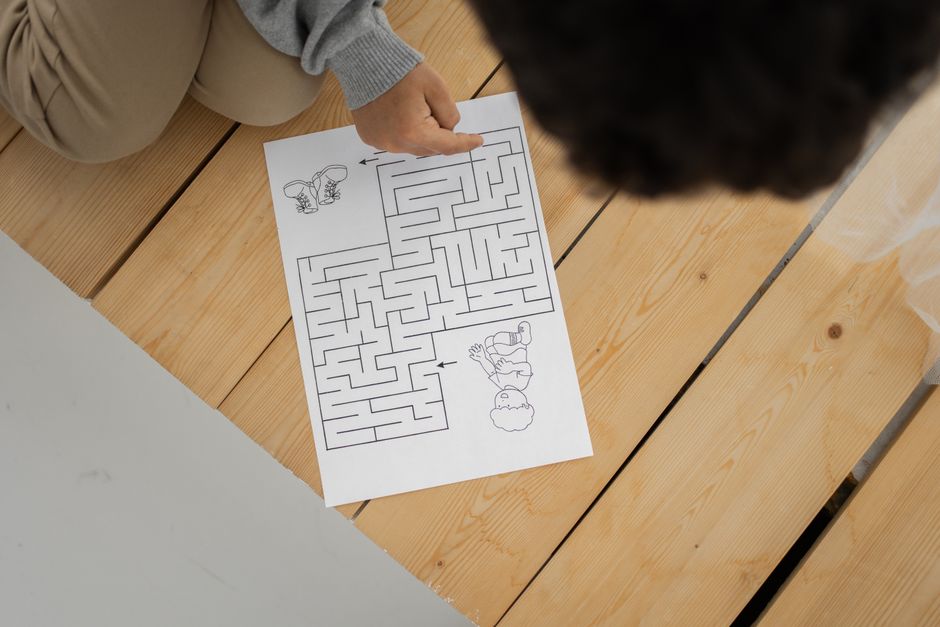
Most of us brainstorm stories the same way we read them: from the beginning. We start with a character in a situation and ask, "What happens next?" This works, but it has a hidden flaw. When you only move forward, you can wander. You can write yourself into corners, introduce characters who go nowhere, and build subplots that fizzle out. Reverse brainstorming solves this by starting at the destination.
The idea is simple. Before you know how your story begins, decide how it ends. Not the exact dialogue, not every detail, but the emotional truth of the final moment. Who is standing there? What have they lost or gained? What do they understand now that they didn't before? Once you know that, the rest of the story becomes a series of steps leading to that moment.
Why Endings Are Powerful Starting Points
An ending is a promise. It tells the reader what the whole journey was really about. If you know your ending is a quiet reconciliation between two estranged sisters, then every scene you write can either move them closer together or pull them further apart. You stop guessing. You start choosing.
Reverse brainstorming also protects you from the temptation to pad. When you know where you're going, you can cut anything that doesn't serve the journey. That subplot about the neighbor's missing cat? If it doesn't echo the themes of your ending, it might be dead weight. This doesn't mean every scene must be plot-critical, but it does mean every scene should have a reason to exist.
Try this exercise. Write down five possible endings for a story you're working on, even if you're only a few pages in. For each one, ask: what would have to happen for this ending to feel earned? Then pick the ending that excites you most and brainstorm backward, listing the three or four major turning points that would lead there.
Using Reverse Brainstorming for Any Creative Project
This technique isn't just for fiction. Essayists can start with the conclusion they want to prove. Poets can start with the final image and build toward it. Even bloggers can use it: decide what you want your reader to feel or do at the end of the post, then design the post to deliver that.
The beauty of reverse brainstorming is that it turns a vague, open-ended task into a focused one. You're no longer asking, "What should I write about?" You're asking, "What needs to happen to get from here to there?" That's a much easier question to answer, and it often leads to stronger, more cohesive work.
Next time you sit down to brainstorm, resist the urge to start at the beginning. Jump to the end. The path back will be clearer than you expect.