The House Always Wins? Why Smart Bettors Beat the Odds
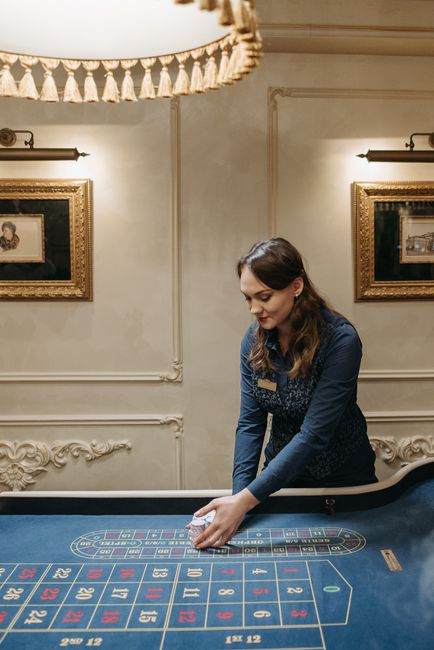
The first time I watched a professional poker player fold a full house, I thought he'd lost his mind. He was sitting on a monster hand, the kind most of us would shove all-in with and start mentally spending the winnings. Instead, he mucked his cards and saved half his stack. That moment taught me more about gambling than any payout ever did: the winners in this business aren't the ones who chase the rush. They're the ones who understand the math underneath it.
Whether you're grinding micro-stakes slots at midnight or building a bankroll on Saturday football, the same handful of principles quietly determines whether you're a long-term loser or someone who actually extracts value from the games. Let's break them down.
The Real Math Behind Casino Games (And Why It Matters)
Every casino game carries a built-in edge for the house. This isn't a secret conspiracy; it's the business model. What separates a savvy player from a sucker is knowing how big that edge is and choosing your battles accordingly.
- Blackjack (with basic strategy): House edge around 0.5%. One of the best bets on the floor.
- Baccarat (banker bet): Roughly 1.06%. Quietly one of the sharpest options in any casino.
- European roulette: 2.7%. American roulette doubles that to 5.26% because of the extra double zero.
- Slots: Anywhere from 2% to 15%+, depending entirely on the machine and jurisdiction.
- Craps (pass line): 1.41%. Underrated by casual players.
Here's the practical takeaway: if you're going to play slots because you love the experience, fine. But don't kid yourself that you're playing a strategy game. Slots are entertainment with a known, fixed cost per spin. The RTP (return to player) is baked in. A 96% RTP slot means you'll theoretically lose $4 for every $100 wagered over the long run. Knowing this stops you from feeding a machine for three hours trying to "beat" it.
Slots: Volatility Is the Stat Nobody Talks About
RTP gets all the attention, but volatility is what actually determines the ride you're about to take. Two slots can share a 96% RTP and feel completely different.
Low-volatility slots pay small amounts frequently. They're the slow bleed, the gentle grind. High-volatility slots sit silent for hundreds of spins, then drop a 5,000x multiplier and change your week. Neither is "better" in the abstract, but they suit different players and different bankrolls.
If you're sitting on $50, playing a high-volatility slot is a coin flip against near-certain disappointment. Stick to low-volatility games and stretch your session. If you've got $500 and a tolerance for dry spells, high-volatility games give you a genuine shot at a life-changing hit. The mismatch between bankroll and volatility is where most players quietly lose.
Poker Is a Skill Game Disguised as Gambling
Here's where things get interesting. Poker is the one game in the building where the house isn't your opponent. The casino takes a rake, then steps aside. Your profit comes directly from other players' mistakes. slot mahjong goes into the finer points.
That single fact changes everything. In blackjack or slots, you're playing against a fixed mathematical system you cannot outsmart. In poker, you're playing against humans who tilt, over-bluff, call too much, and chase draws without the pot odds to justify it. Those errors are your income.
Three concepts separate winning and losing poker players:
- Position. Acting last is worth real money. You get information before you commit chips.
- Pot odds. If it costs $20 to call a $100 pot, you need better than 20% equity to break even. Most recreational players never do this math.
- Bankroll management. Never sit at a table with more than 5% of your total poker bankroll. Variance will humble anyone who ignores this.
The average winning poker player earns roughly 5 to 10 big blinds per hour at low stakes. It's not glamorous. It's a grind that rewards patience and punishes ego.
Sports Betting: Line Shopping Is Free Money
If you're betting sports on a single book without comparing lines, you're leaking money every single week. This isn't an opinion; it's arithmetic.
Imagine three books price a team at +150, +155, and +160. Backing that side at +160 instead of +150 adds about 3% to your expected return on that bet. Over 500 bets a year, that's the difference between a modest profit and a slow decline. Line shopping, at its core, is the only genuinely free edge in sports betting.
A few things seasoned bettors do that casuals don't:
- They have funded accounts at four to six sportsbooks and check all of them before placing anything.
- They bet into closing lines, not opening hype.
- They avoid parlays. A four-team parlay at typical odds carries a house edge north of 20%.
- They track every bet in a spreadsheet. If you can't measure it, you can't improve it.
One more thing: promotions and bonuses are not free money. They're marketing with terms attached. Read the wagering requirements. A "$200 bonus" with a 40x rollover and a 30-day window is often worse than no bonus at all.
Discipline Is the Strategy Nobody Wants to Hear
Every gambling study reaches the same conclusion: most players lose over the long term, and they lose faster than the math suggests they should. Why? Because they abandon their own rules right when it matters most.
Set loss limits before you start, not after. Decide your session length, your maximum drawdown, and your walk-away number, and treat them like laws. The moment you start chasing a loss or pressing a win beyond your plan, you've stopped gambling and started donating.
I keep a simple rule from a pro I met years ago: if I have to talk myself into a bet, it's not a bet worth making. That one line has saved me more money than any strategy article ever did.
The Bottom Line
Nobody beats the house forever, and anyone selling you a system that does is lying. But the margin between the average recreational player and a disciplined, informed one is enormous. Know the edge, pick your games deliberately, shop your lines, track everything, and never bet money you'd miss. Do that, and you shift from being the kind of player casinos love to the kind they merely tolerate. That, quietly, is the whole game.